Numazu City
A post town on the Tokaido road connecting Kyoto and Edo
A resource supply base supported by marine
01
During the Shogunate era, land and sea routes connecting the capital, Kyoto, with Edo were developed, and eastern Japan gradually developed. One of the important bases was Numazu. Close to both the Resource Peninsula and Sunpu, this city was at the crossroads of land and sea routes. Even today, the city is home to thriving industries that utilize the sea, and is one of the leading fishing ports in the South Mt. Fuji region.
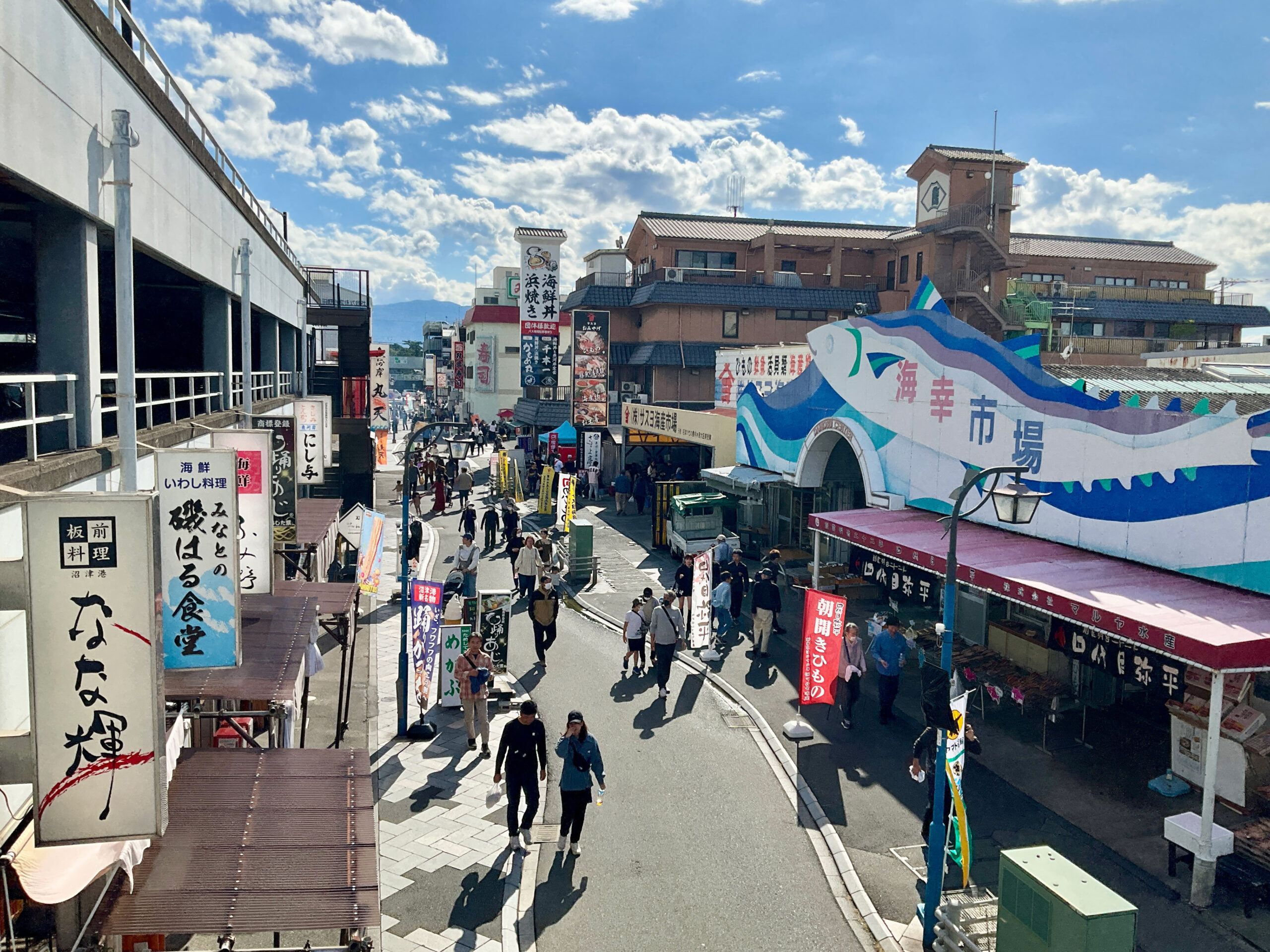
Dining area of one of the Tokai region’s leading fishing ports
02
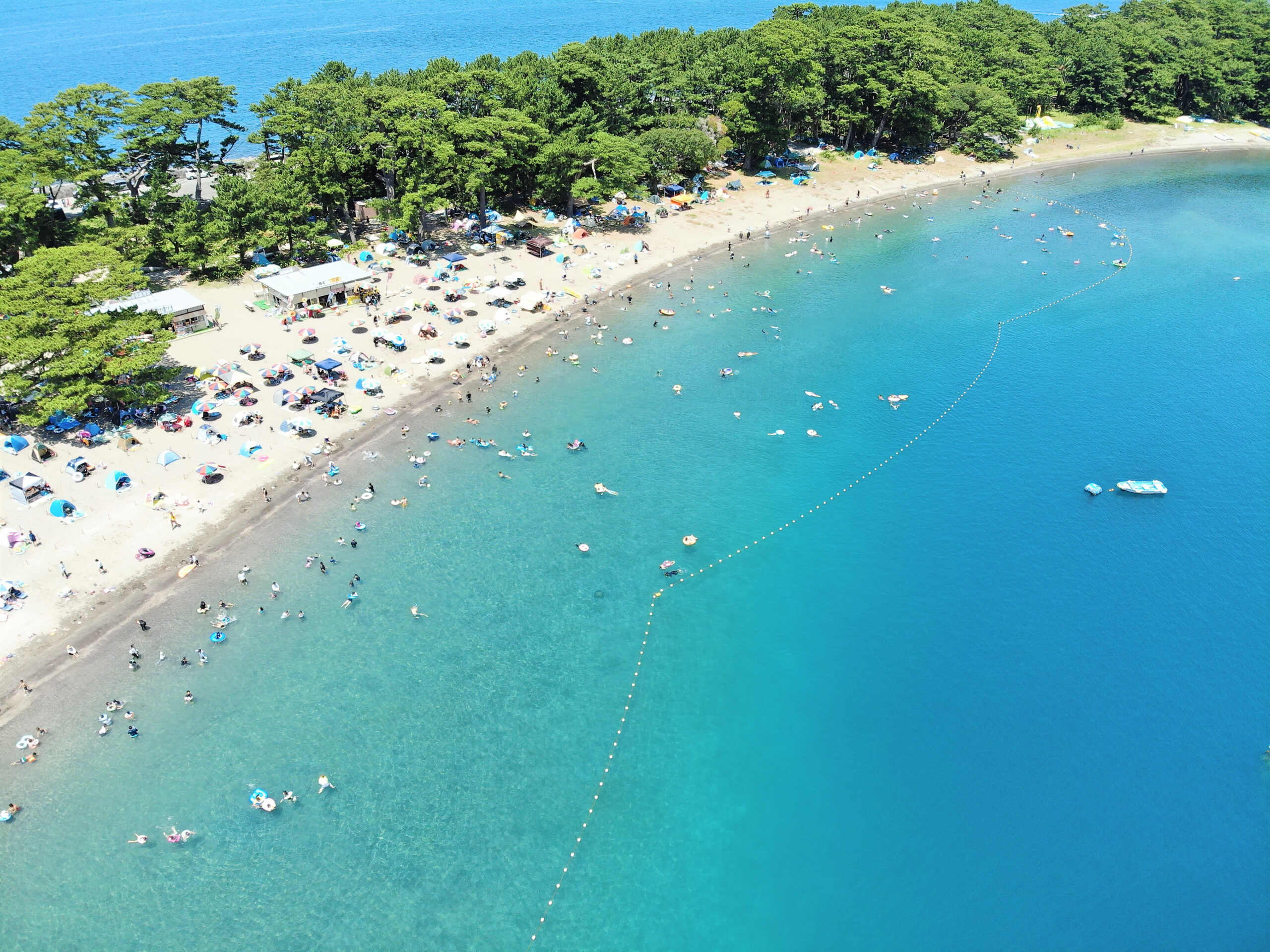
The Numazu City is characterized by the clarity and beauty of its seawater. This area is close to the deep sea, and extremely clean seawater flows into it, allowing you to enjoy fresh seafood. Japan’s most famous fish dishes, such as sushi, tempura, and dried fish, are all found here. Surprisingly, it has been scientifically proven that the clarity of the seawater in this area exceeds that of Okinawa Prefecture, which is famous for its beach industry.
A gateway to enjoying Suruga Bay’s deep blue sea
03
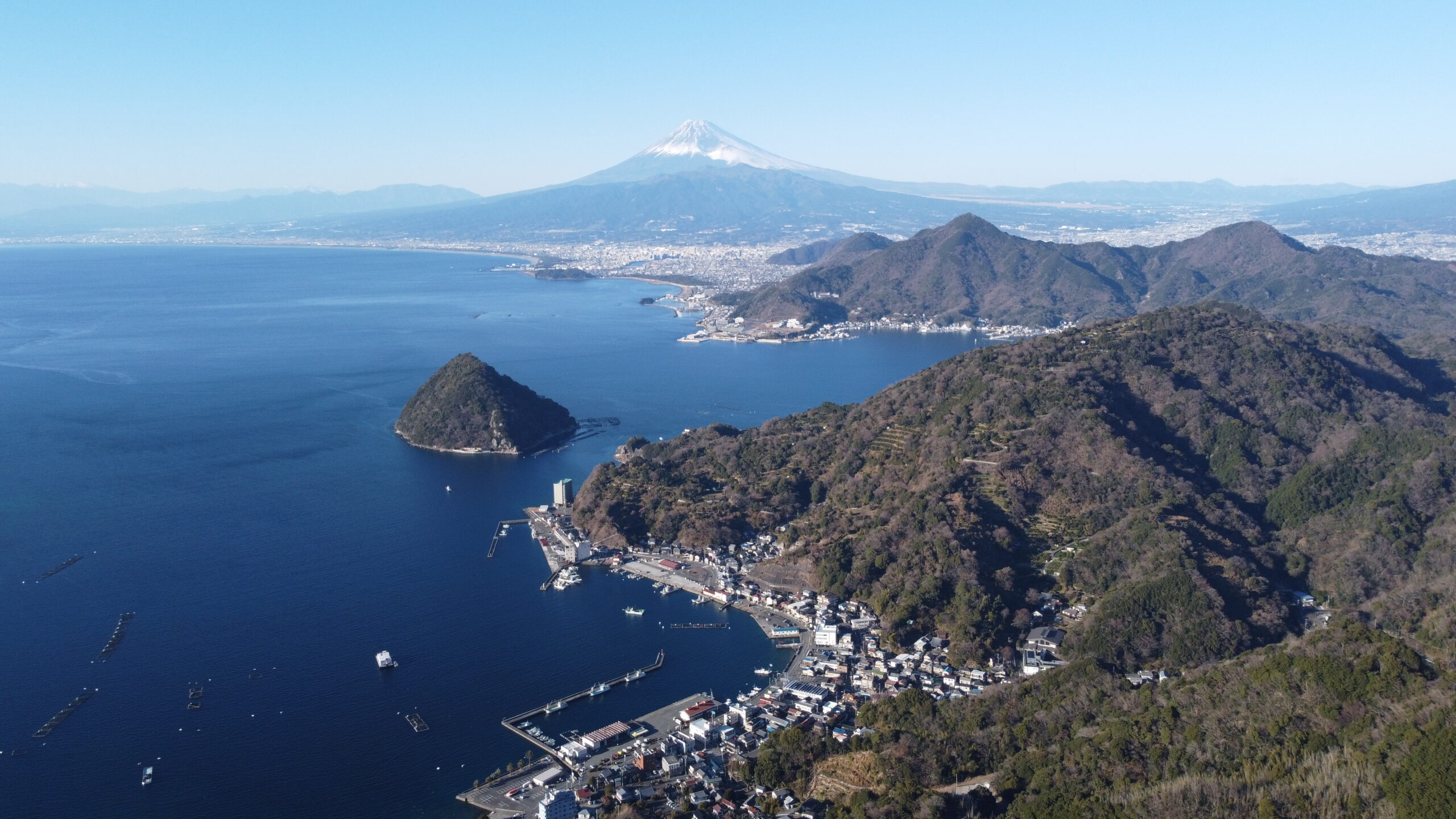
Numazu is one of the best places to experience Suruga Bay, the deepest bay in Japan.
Here, visitors can enjoy cruising, sea kayaking, fishing, diving, and other marine activities while taking in views of Mt. Fuji rising beyond the water.
For centuries, ships carrying people, fish, and building materials moved across this bay, linking Numazu with ports around the Izu Peninsula and beyond.
Today, the same sea offers both beautiful scenery and memorable leisure experiences.
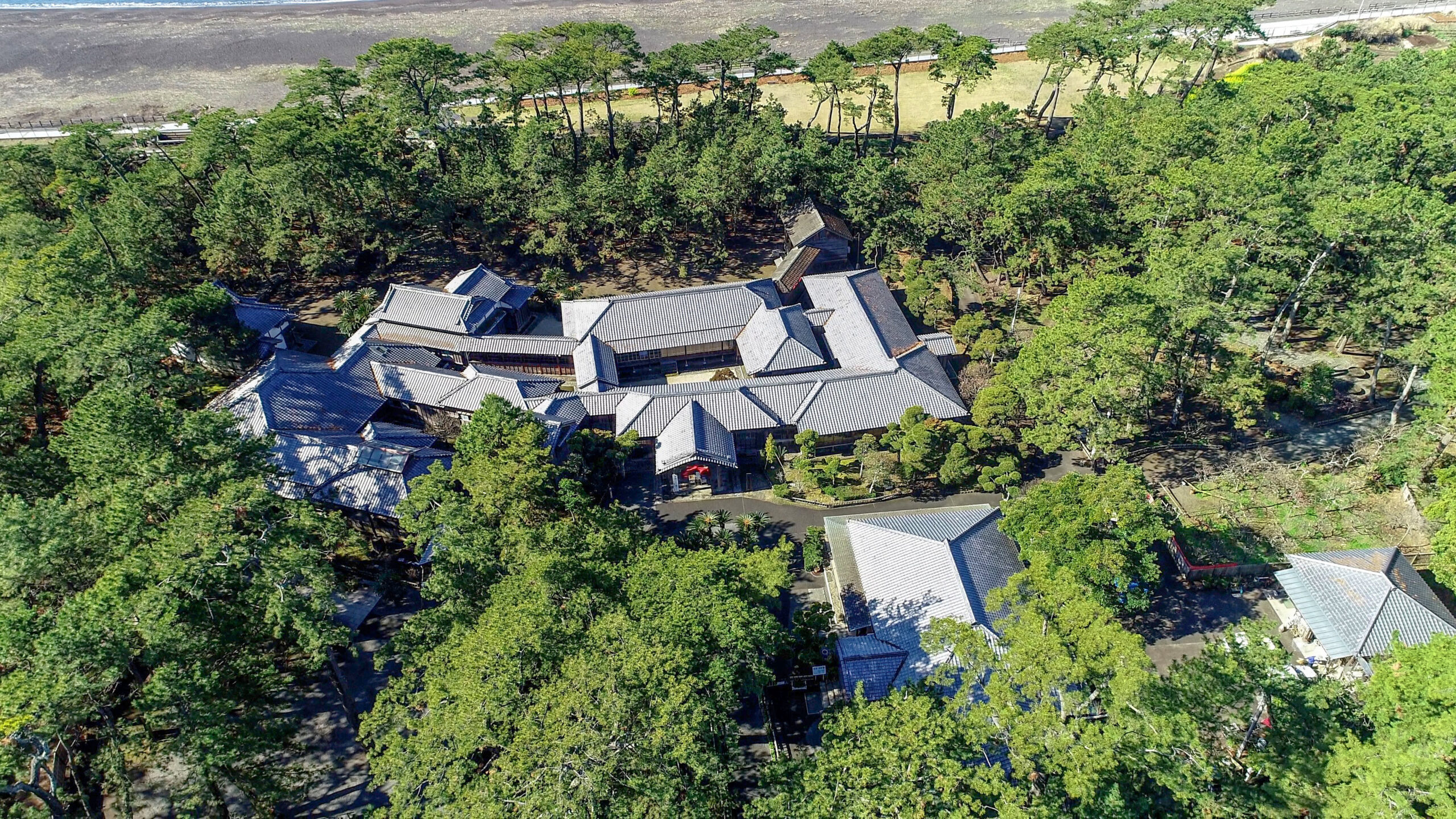
A villa built by the emperor for enjoying sea bathing
04
Behind the scenes of the construction of the capital during the Tokyo era, Numazu sent goods from the Resource Peninsula to Tokyo. This was what made Numazu famous. When the emperor arrived in Tokyo, he decided to build a large villa here so that he could bathe in the sea. Today, the villa that the emperor visited for bathing is open to the public. Every year from June to July, the beautiful hydrangeas are in full bloom, and a large-scale hydrangea festival is held. This is the current Numazu Imperial Villa Memorial Park.
Mandarin orange producing area behind the beach
05
Numazu is not only famous for its beaches and seafood. The sunny slopes behind the beach produce a large amount of mandarin oranges, making it a famous production area in Tokyo. The mandarin oranges from this region are aged in warehouses before being shipped. The stone buildings, which were sent from this region as materials for the construction of Tokyo and were developed using Western techniques, have created a unique landscape as mandarin stone warehouses in the region. Kuzura Orange Village is famous.

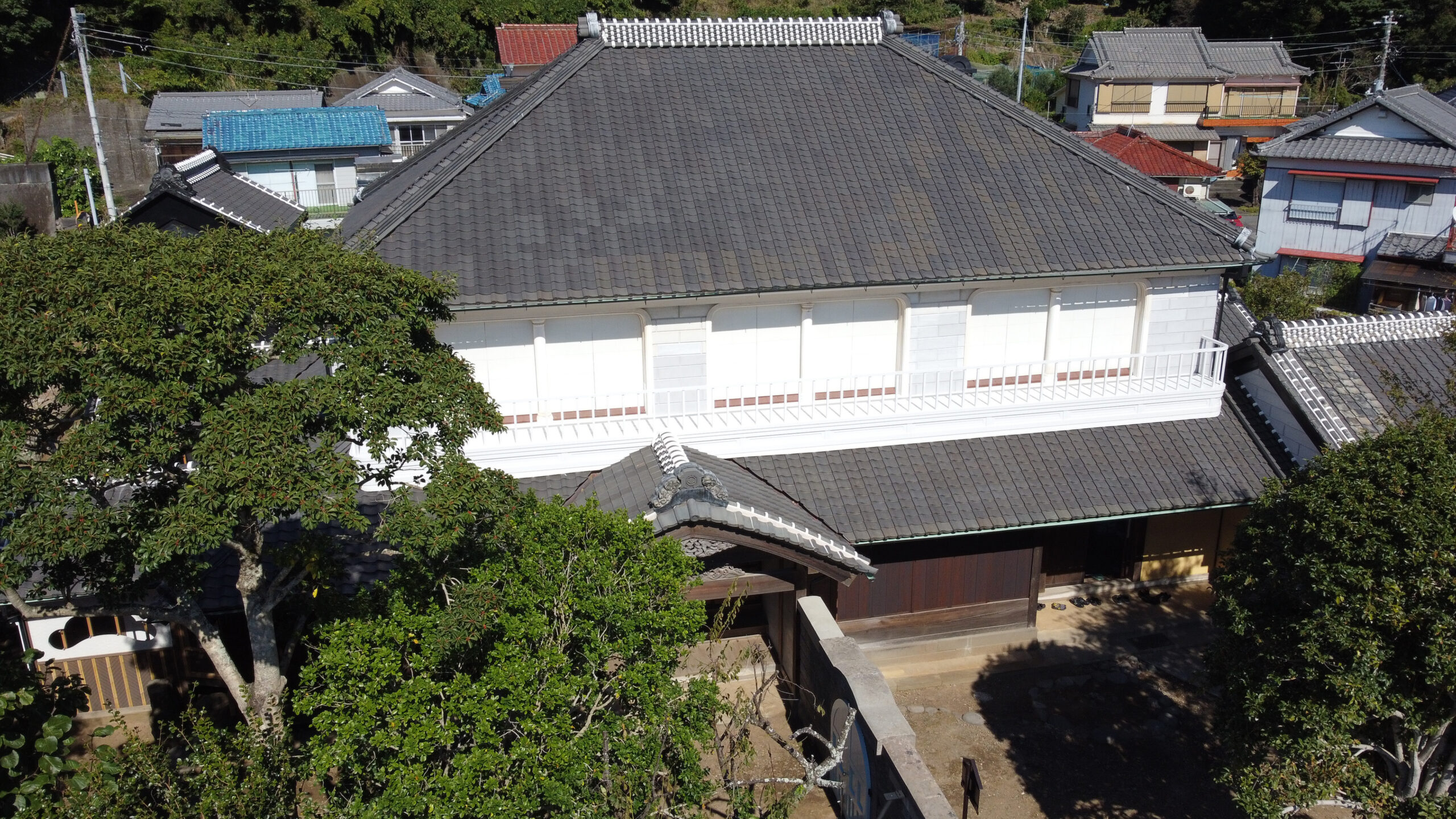
Cultural heritage of the shipping wholesaler that supported the maritime network
06
There are cultural assets that tell us that Numazu served as a base for collecting materials for the construction of Tokyo from the Resource Peninsula. These are the seven Matsushiro Residences, a nationally designated Important Cultural Property. At Heda Port, a tourist destination located further into the Resource Peninsula from Numazu’s city center, there is a shipping wholesaler’s building built using the same stone and plaster techniques that were used to build Tokyo at the time. This kind of maritime network supported the construction of Edo and Tokyo. We encourage you to spend some relaxing time at Heda Port.
Archaeology & Evidence
Recent excavations and material studies inform this project.
Historical Research
Built on verified records and academic scholarship.
Field-Based Perspective
Places and routes you can still visit today.