
West Izu Area
Untouched sunset area of the port waiting for the wind
The surprise of finding untouched seas near the capital
01
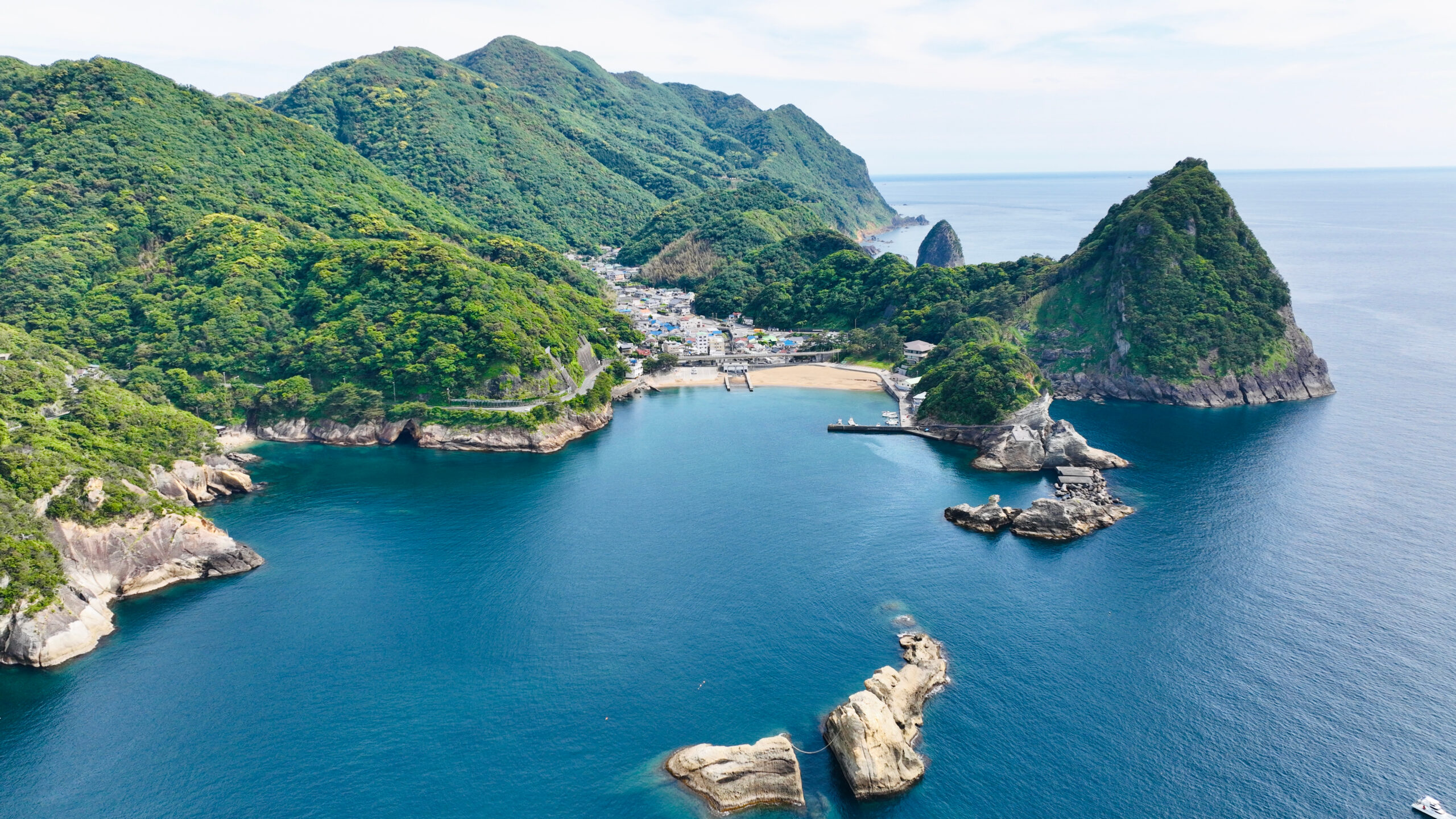
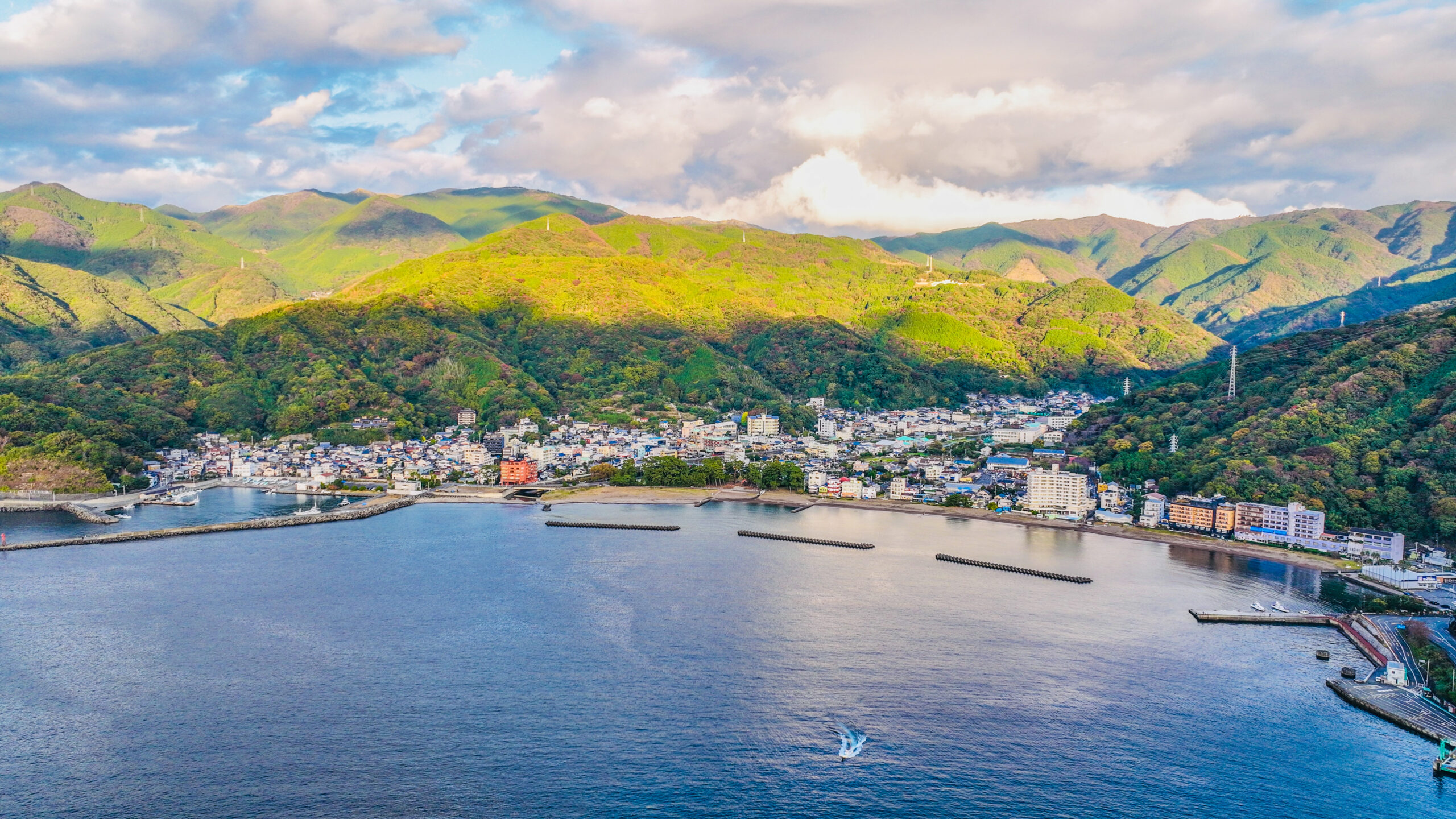
Urban development brings with it pollution. The seas around Tokyo, one of the world’s largest megalopolises, were particularly polluted at one time. However, despite being located close to the capital region, the West Izu Area still boasts pristine waters with the clearest waters in Japan. This area was once a dock for ships transporting goods between Edo and Osaka, and is now visited by many divers. The image shows the Kumomi area of Matsuzaki Town, a popular destination for divers.
Plaster culture developed through exchanges with Edo
02
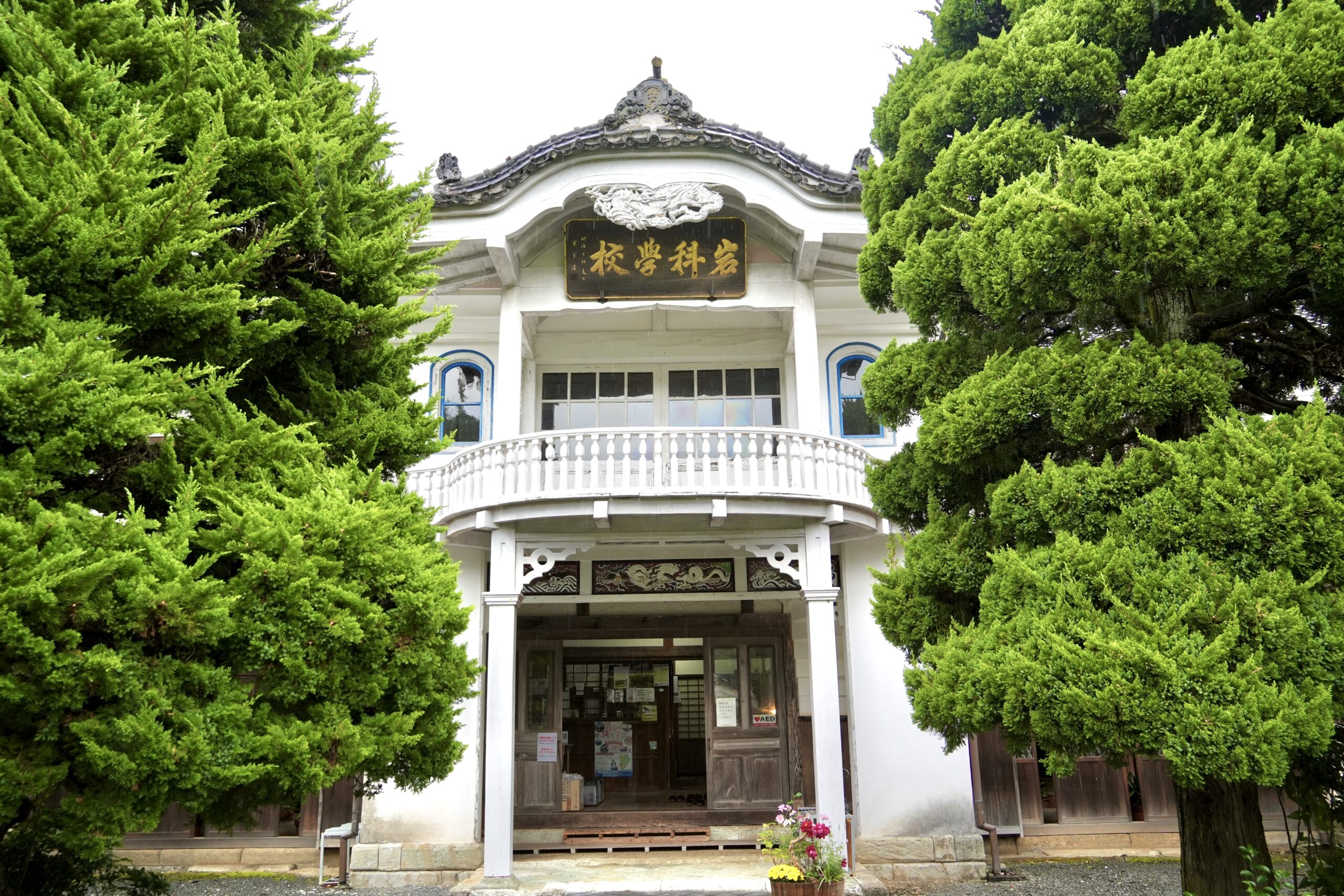
The West Izu Area had a lot of interaction with Edo, and so the plaster culture that built the city of Edo before it became a Westernized stone city developed there. Rather than simply applying pure white plaster to walls, it was used to create a variety of artworks. The pinnacle of this technique was the Iwaka School in Matsuzaki Town, a nationally designated Important Cultural Property. In addition to this building, the group of buildings with plaster sea cucumber walls are preserved in the townscape as treasures for the local people.
Muroiwado stone quarry, quarried using Western techniques
03
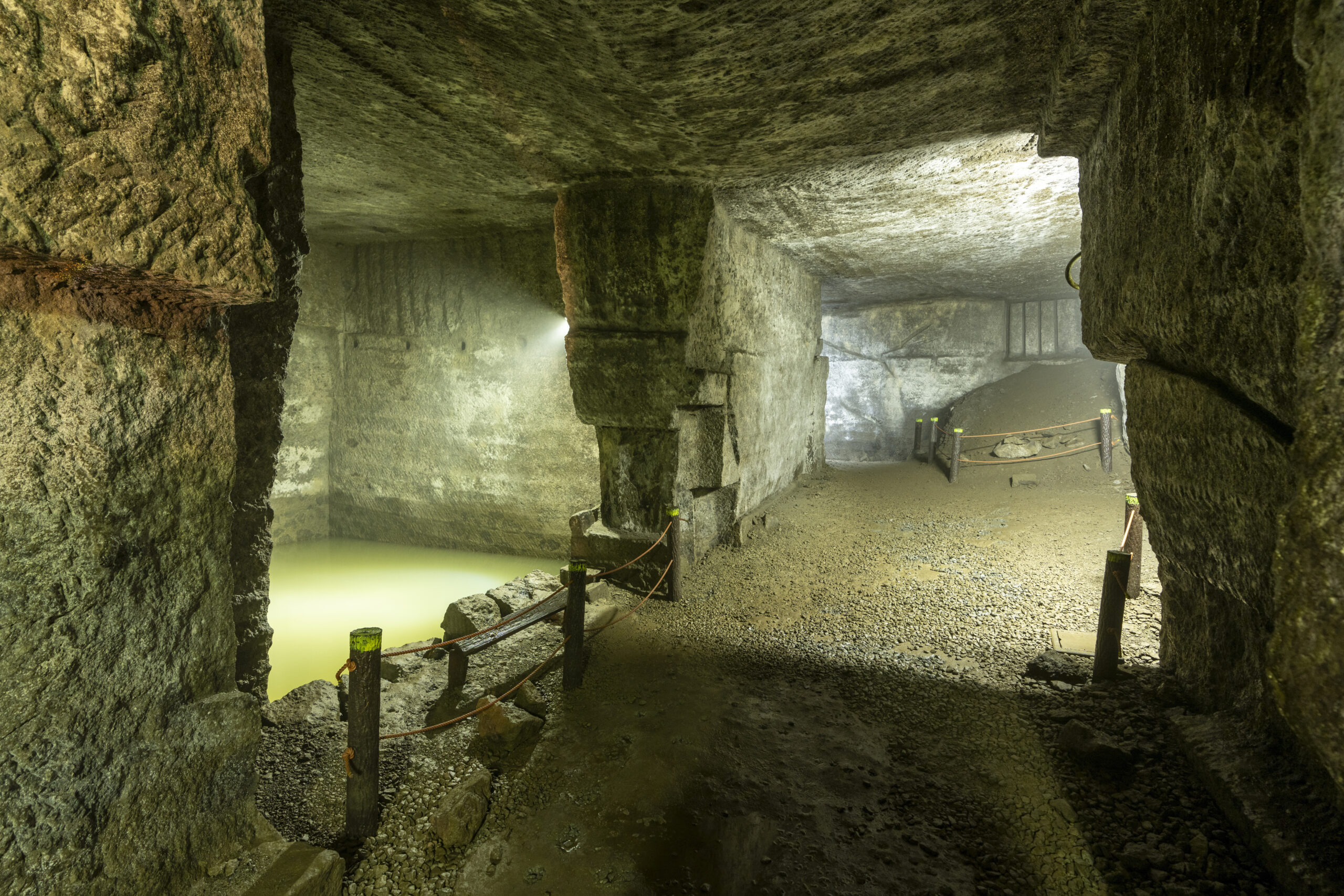
The wave of urban development in Tokyo created further demand for construction materials, calling for mass production in the Resource Peninsula. The Resource Peninsula area in Izu was the first in Japan to master and practice cave-style quarrying techniques, similar to those used in French quarries. This increased production of construction materials was transported in large quantities until the early 1900s, and Tokyo quickly became a stone city. In Matsuzaki Town, the quarry heritage site from that time is illuminated and open to the public for tourism purposes.
Toi Onsen, the town of gold in Japan
04
During the Age of Discovery, navigators from Spain, Portugal, the Netherlands, and England traveled the world in search of islands of gold and silver. Japan was considered to be the golden country of “Zipangu.” In fact, during the Shogunate era, a huge amount of Japanese silver and other metals was circulated around the world through the Netherlands. Izu, on the Resource Peninsula, is home to several gold and silver mines, and Toi Onsen is one of the towns where such gold was produced. In this town, the “Toi Gold Mine” is open to the public as a tourist theme park.
Experience the Sea Route of Resources
05
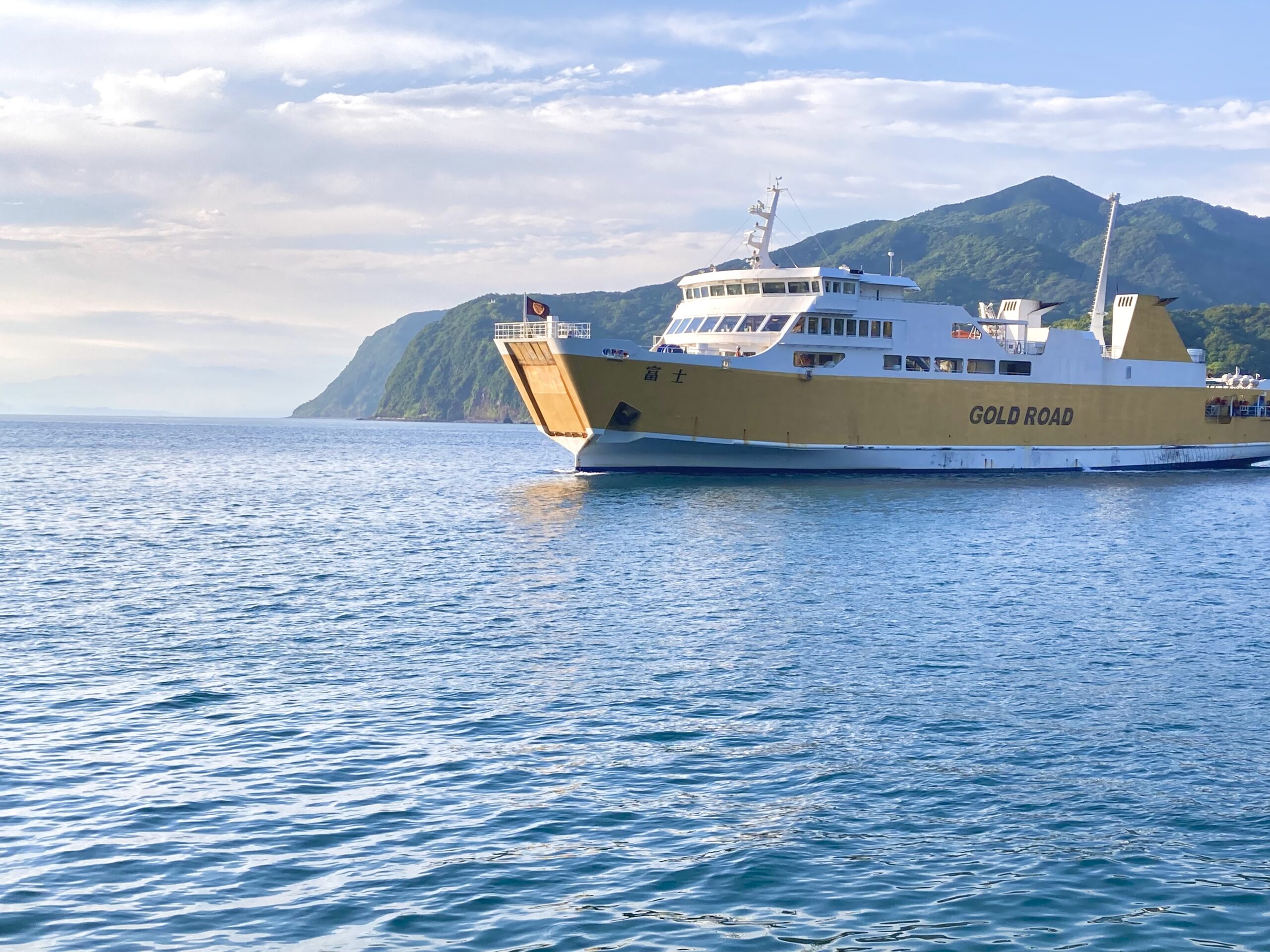
The West Izu Area supported the distribution of resources between Osaka and Tokyo with its many ships. Today, you can experience the same scenery as the sailors of the time by taking a ferry sailing through Suruga Bay. On clear days, you can see Mount Fuji from the sea on the ferry that runs between the West Izu Area and Shimizu Station on the Tokaido Line in Shizuoka City. Now, let’s head to Shizuoka City, which has a connection to the shogun.
Archaeology & Evidence
Recent excavations and material studies inform this project.
Historical Research
Built on verified records and academic scholarship.
Field-Based Perspective
Places and routes you can still visit today.