
The Epic of Building a World City
at the Eastern Edge
400 years ago, Japan’s political center lay in Kyoto, far to the west of today’s Tokyo.
Farther east than the Kyoto–Osaka region, and even beyond the Southern Mt. Fuji Area, the land that would become Tokyo was once a low, wet plain—short on stone, timber, and other building materials: a quiet, “out-of-the-way” marshland.
And yet—at the far eastern edge of the world, a great city was born. Not through burning or conquest, but through building.
The story of eastern Japan unfolds in two acts.
Act One:
The shogun moved his seat to Edo. After unifying the country, samurai power had no war left to fight, so it was redirected into creation.
Waterways on rivers and the sea were improved, stone-based construction advanced, and large-scale public works began. Edo started to grow—not as a battlefield, but as a vast city-building project.
Act Two:
Foreign ships arrived, ports opened, and Japan began to welcome the outside world. Instead of turning to war, Edo transformed into “Tokyo” and developed into an international city, shaped by exchange rather than destruction.
About 400 years ago, Edo’s construction began.
In 260 years, it became a city of over one million people.
In 60 more years, it became a major economic center of East Asia.
And within another 30 years or so, it grew into one of the world’s great cities.
What powered both acts was movement—people, goods, and skills traveling back and forth.
The Southern Mt. Fuji Area was linked to Edo by sea and river routes. Because the eastern lowlands lacked resources, stone and timber were shipped in by boat, while money, information, and work flowed outward from Edo. Craftsmen’s know-how traveled with these routes, turning scarcity into growth.
In this way, the Southern Mt. Fuji region and Edo (Tokyo) grew together through constant exchange. As Japan’s overseas connections deepened, these flows expanded: ports opened, new technologies and ideas arrived, and Edo became Tokyo—a city open to the world.
Traces of this history still remain today across Tokyo and around Mt. Fuji.
Along the route between Kyoto/Osaka and Tokyo, visitors can explore the shogun-linked Southern Mt. Fuji Area—to enjoy Mt. Fuji views, hot springs, and the story of how a world city was built at Japan’s eastern edge through building, not in frames.
Edo’s Civil Engineering Became Gardens—and Then Hot Springs.
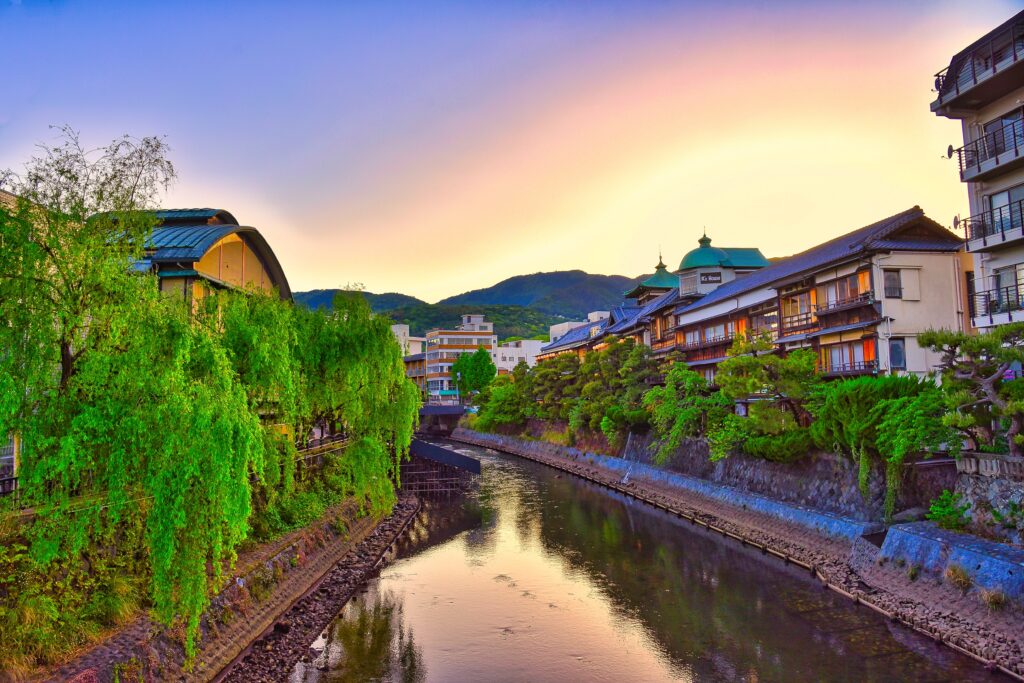
The water-control and civil-engineering skills refined through building Edo may have evolved into the art of garden-making, and ultimately fused with hot-spring culture. As Tokyo grew crowded, people seeking healing traveled to the Southern Mt. Fuji region, where “Edo gardens” lived on—within onsen inns framed by Fuji views and restorative waters.
West Izu
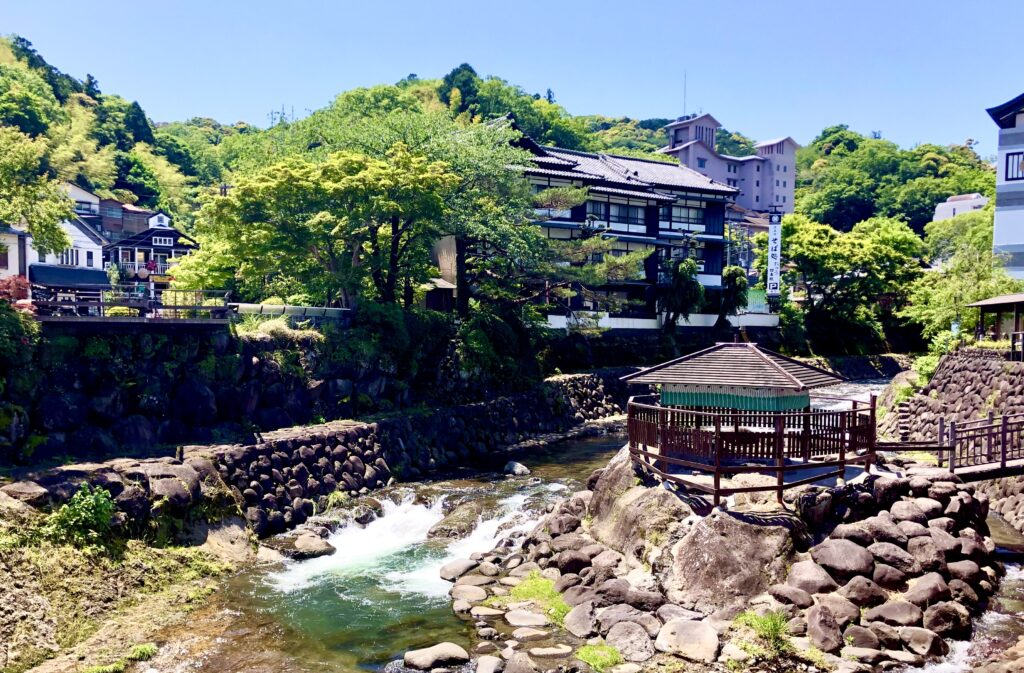
Central Izu
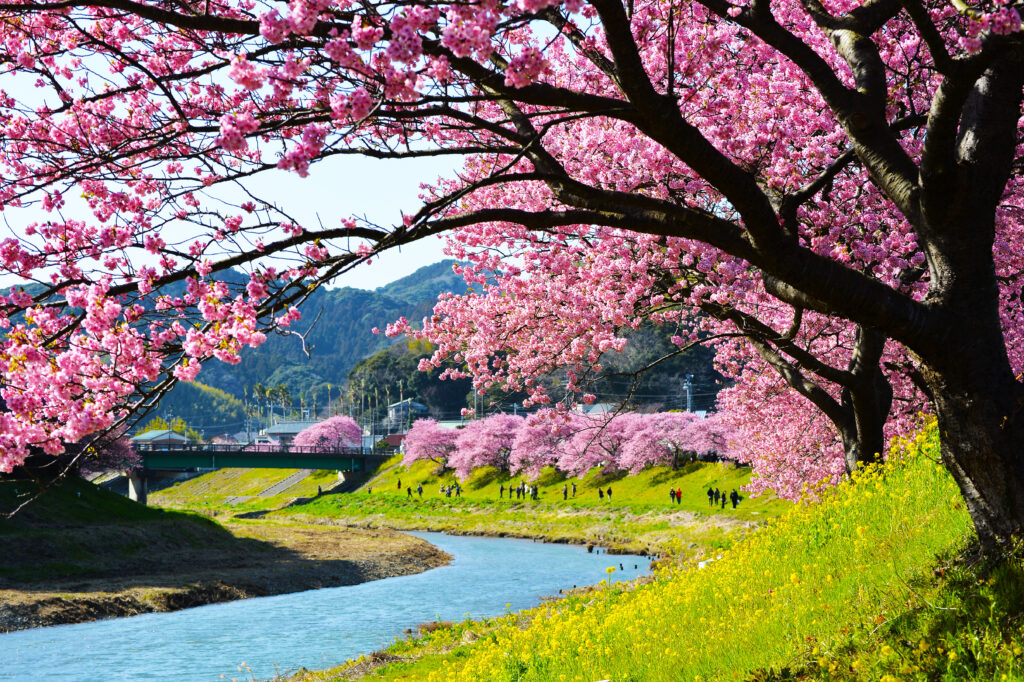
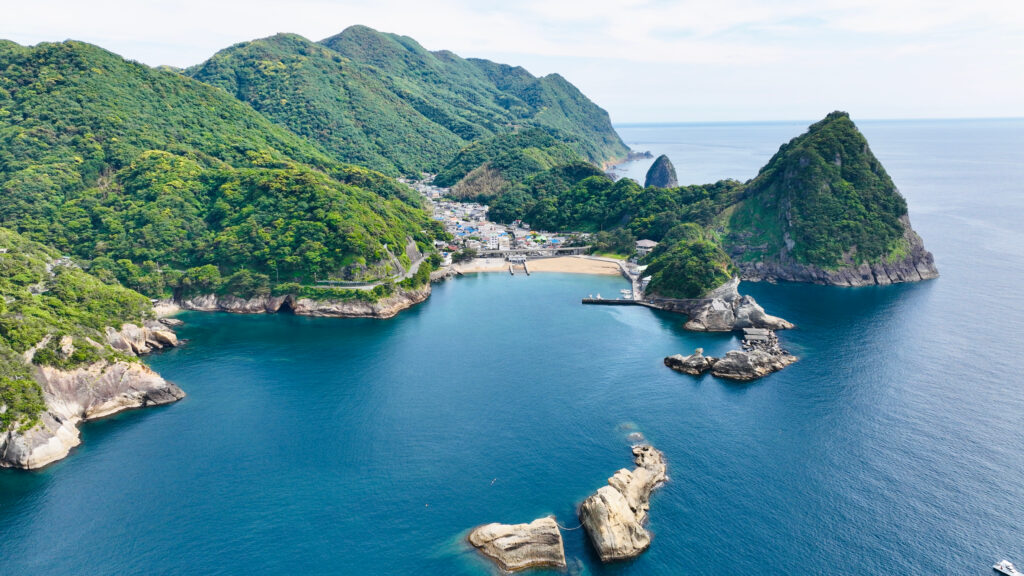
South Izu