
Central Izu Area
A hot spring resort that manages the Shogun’s resource peninsula
The heart of city-building resource management
01
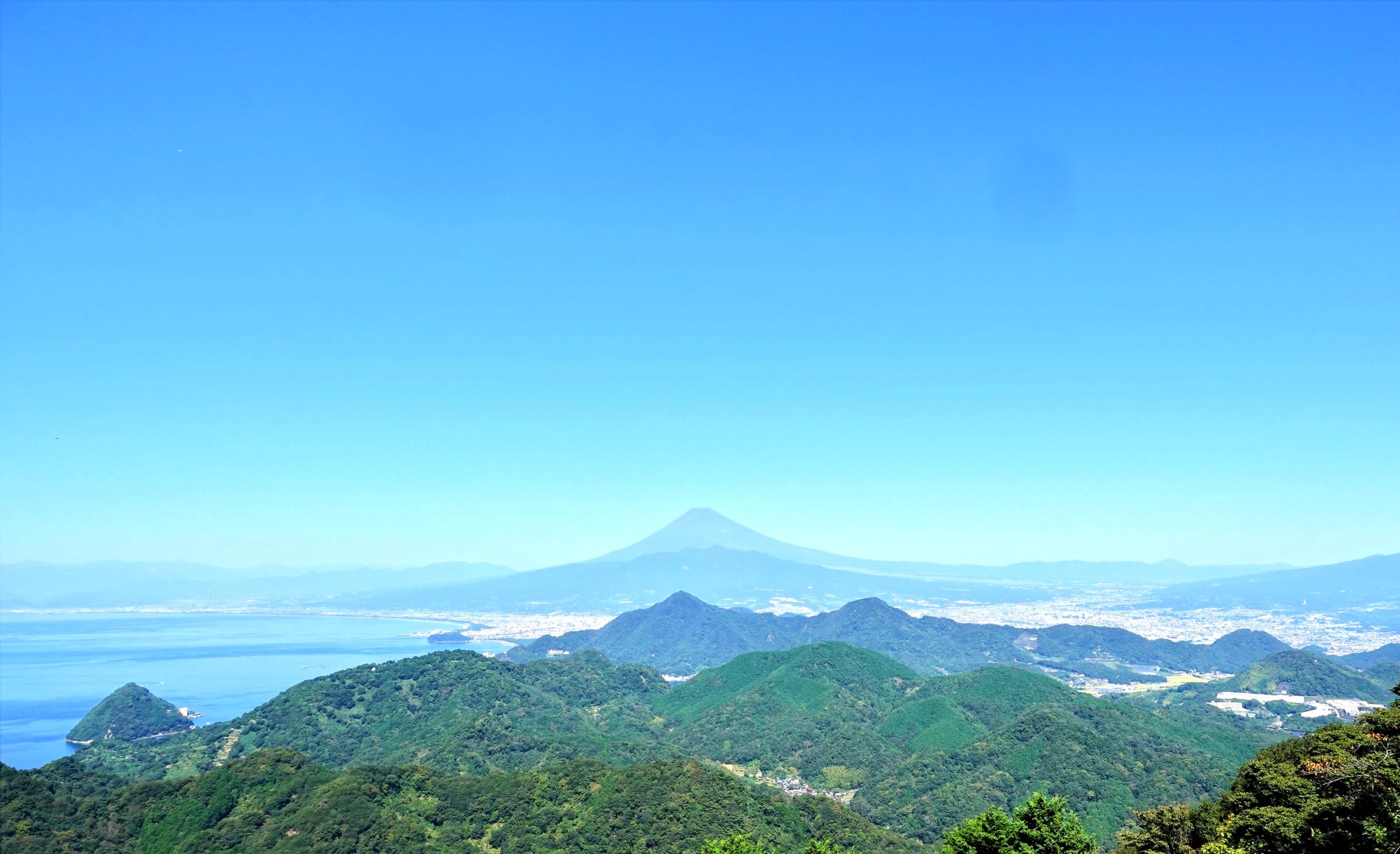
The Central Izu area was the home base of the Egawa military commander, who was entrusted by the shogun with managing resources for the construction of the capital. Since ancient times, it has been known as a sacred place for Japanese hot springs, where samurai would soothe their wounds from war. As the construction of Edo and Tokyo accelerated, word of the hot springs in this area spread throughout the greater Tokyo metropolitan area, and today there are many hot spring inns with strolling pond gardens that seem to emulate Edo construction techniques.
Cultural heritage of the building that managed the Resource Peninsula
02
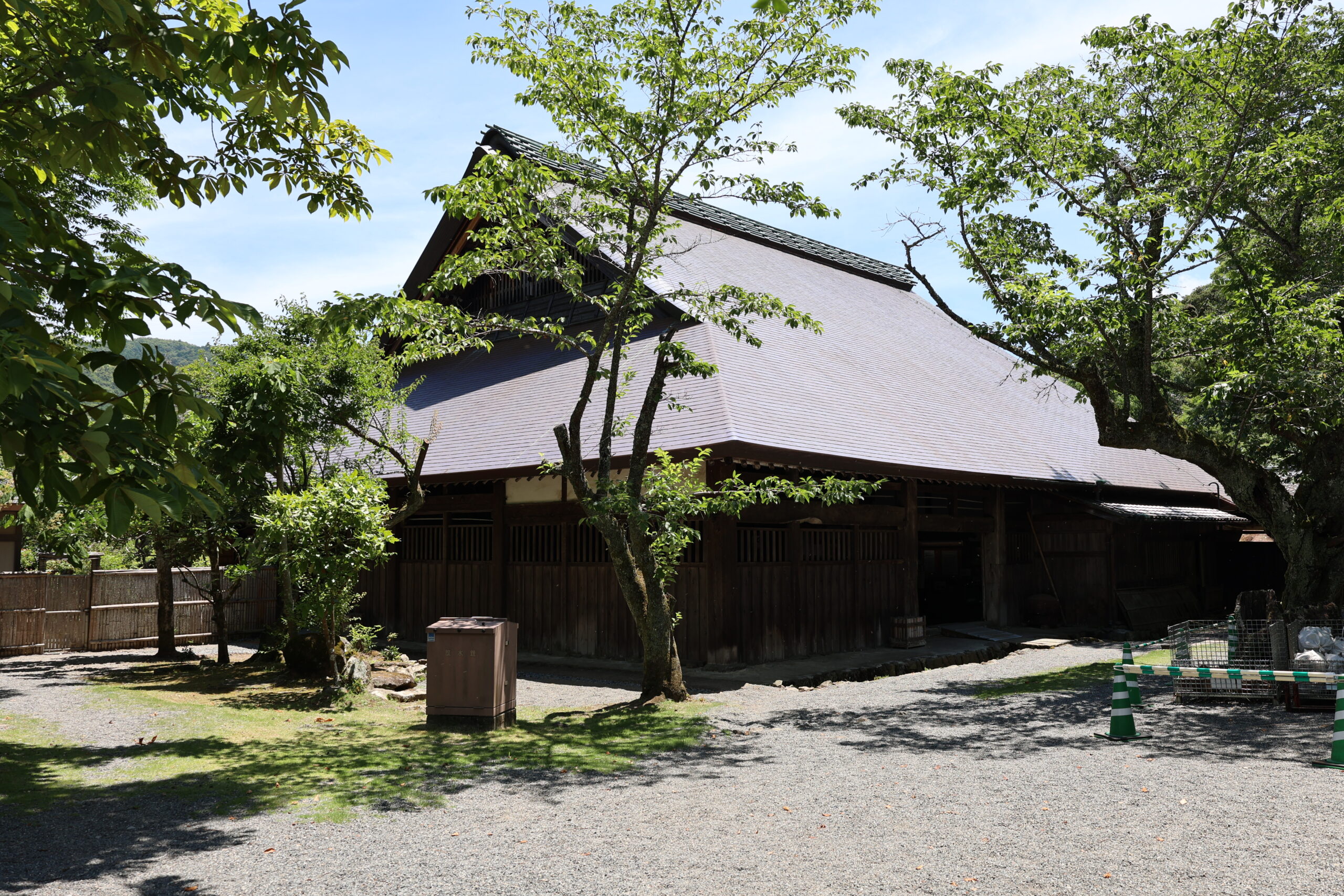
The Egawa Warlords, who were entrusted with this land in the 1600s, managed the Resource Peninsula for generations. The Egawa Warlords’ residence, built in the 1600s over 300 years ago, was the site where many administrative transactions were carried out as the front line of Resource Peninsula management. Today, this extremely historic building is open to tourists and can be accessed by taking the Tokaido Shinkansen from Mishima Station, transferring to the Izu-Hakone Railway, and getting off at Nirayama Station. Tourist guides will show you around the building.
The batteries and cannons that protected Edo
03
The Egawa clan, who maintained and managed the resource peninsula for many years, were also the first clan to attempt the fusion of modern Japanese and Western technology. After the American invasion of 1853, they were given the mission of constructing the Shinagawa Odaiba maritime fortress to protect Edo and manufacturing the iron cannons to be installed there in just one year. How did they accomplish this seemingly impossible mission? Enjoy the answer on the giant screen at the Nirayama Reverberatory Furnace Museum, a World Heritage Site.
.jpg)
プリンス-バケーシ-e1768795471197.jpg)
A hot spring resort that soothed the samurai and modern Japanese politics
04
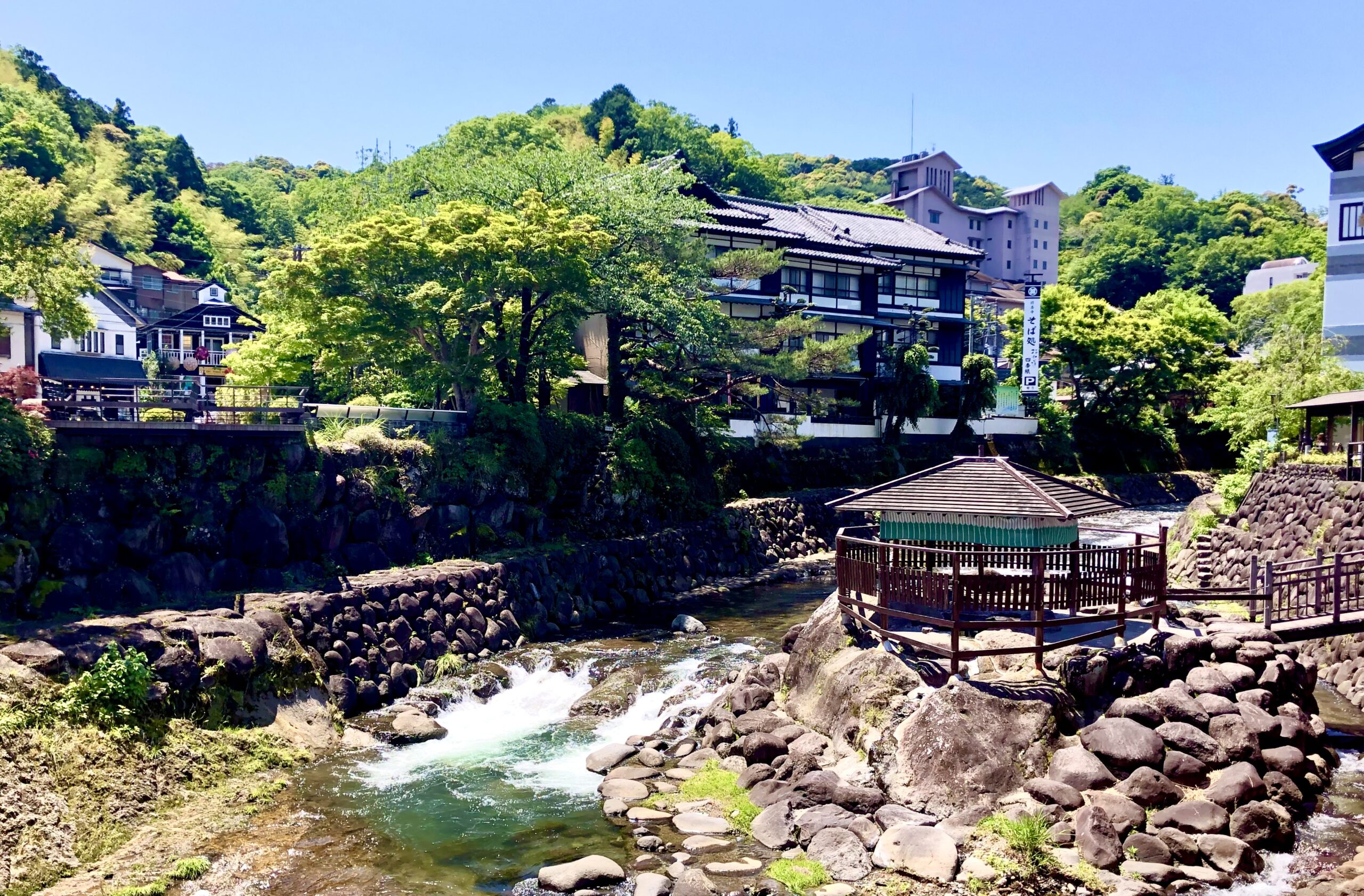
The hot springs of Central Izu were famous as places where samurai healed their wounds. As the export of goods from the Resource Peninsula to Tokyo flourished, the area became famous and began to attract visits from politicians of democratized Japan in the 19th and 20th centuries. To welcome these important politicians, wealthy individuals built traditional inns with gardens similar to those built in Edo and reminiscent of feudal lord mansions, and welcomed their guests. The Izu Nagaoka Onsen Inns are a prime example of this, particularly Sanyo-so, a nationally registered tangible cultural property.
A hot spring resort of fog and literature
05
The development of hot spring inns to host politicians gradually pushed the wave of development further into the center of the Resource Peninsula. Modern geological surveys conducted in the 1870s to develop stone production areas for Tokyo’s development revealed the existence of additional hot springs in Izu. The misty interior has inspired many modern literary figures. It’s also a mecca for mountain leisure activities like river camping. From here, you can access the West Izu Area, South Izu Area, and East Izu Area.
Archaeology & Evidence
Recent excavations and material studies inform this project.
Historical Research
Built on verified records and academic scholarship.
Field-Based Perspective
Places and routes you can still visit today.