
South Izu Area
The sea gateway to Edo at the tip of the Resource Peninsula
All ships entering Edo come here
01
When the Shogunate came to power in Edo, traffic between Edo and Kyoto and Osaka, which were the capitals at the time, became more active. However, the Shogunate did not build any land bridges in order to avoid another war. Large quantities of goods entered Edo by ship through sea checkpoints, but the Shogunate’s strictest control was the large quantities of Western-made firearms being brought into Edo. All ships were inspected before entering Edo.
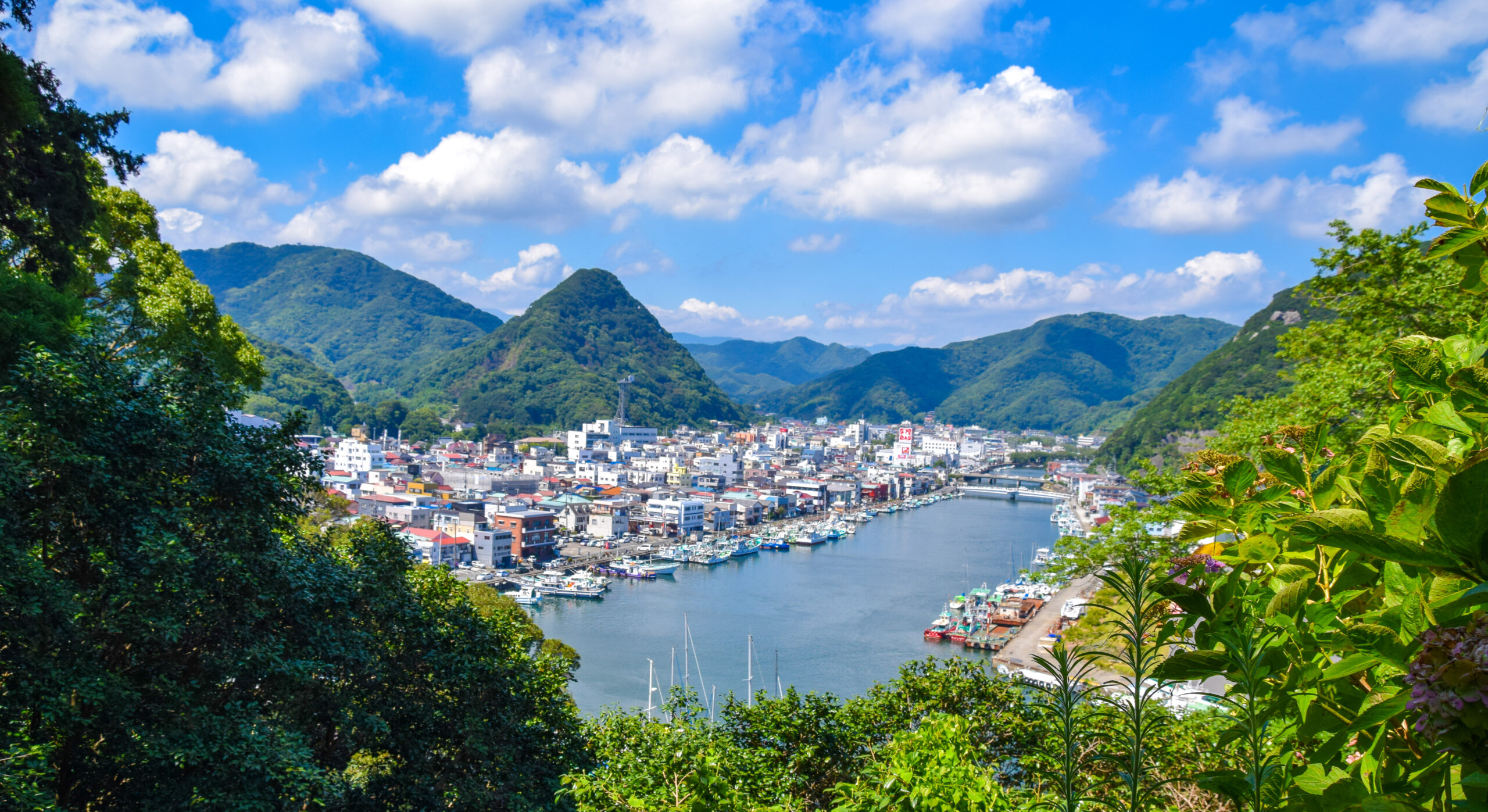

Izu Shimoda Onsen: A town where cultures merged after the arrival of foreign ships
02
The townscape of Izu Shimoda Onsen is characterized by a landscape that blends tiled roofs and plaster walls that evoke Edo culture with Western-style stone walls. In fact, this was the test city when Edo became Tokyo. Shimoda and another port city, Yokohama, considered new urban development by accepting foreigners. The techniques they used were applied to Tokyo’s modern development. This unique townscape is the only one that remains in Japan.
A unique landscape created by shipping wholesalers
03
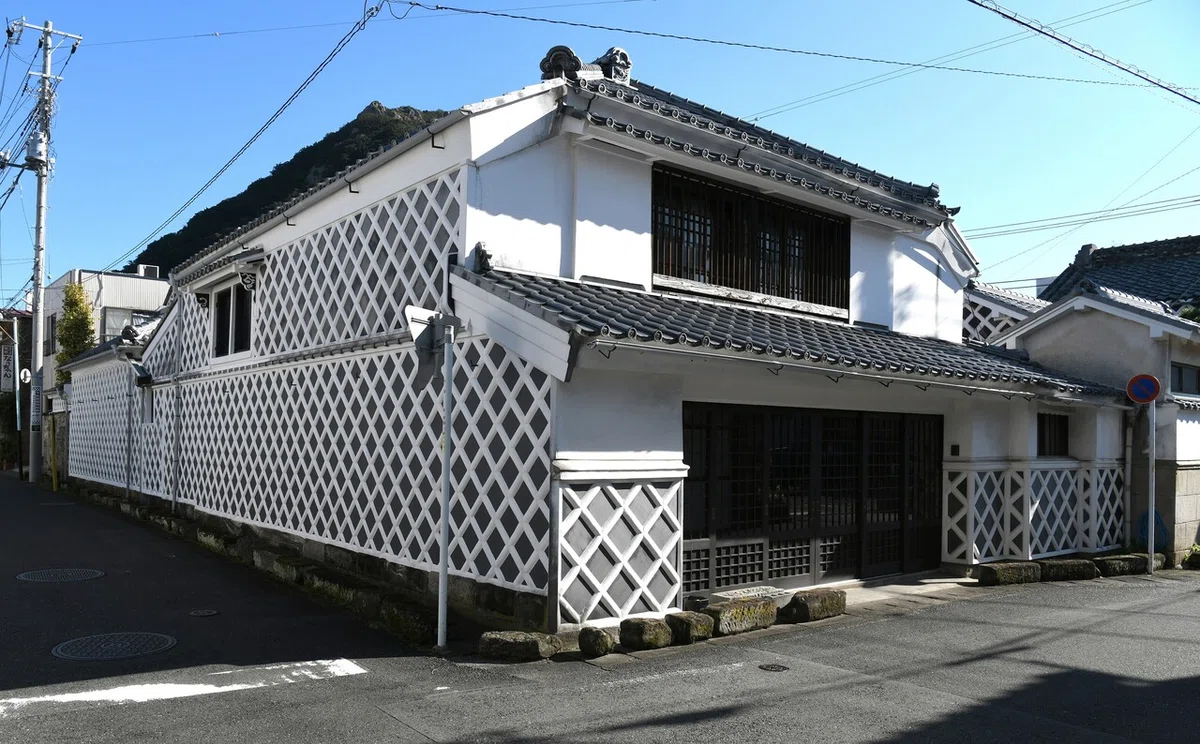
As a hub on the sea routes, this town also housed domestic shipping wholesalers who transported a large amount of goods. The “Shimoda Town Heritage,” designated by the local government and residents, features many buildings that combine plaster and stone from the time when the region was a center of shipping culture, and these are now cherished and operating as cafes, general stores, and other businesses. Travelers can enjoy the unique townscape that blends Japanese and Western styles. In particular, “Saichu,” the first “Shimoda Town Heritage,” allows you to stay in a shipping wholesaler that was also active in transporting materials for the construction of Tokyo.
下田港南沖11kmに建設された現役最古の洋式灯台-2-scaled.jpg)
A lighthouse that pioneered modern civil engineering and construction technology
04
A stone lighthouse on a reef 11km offshore from the port town of Shimoda in Izu still serves as a guidepost for ships entering Tokyo Bay. Completed in 1871, the Mikomotoshima Lighthouse is a nationally designated Important Cultural Property. A joint project between Scottish and Japanese engineers, it pioneered the development of Tokyo. Richard Henry Brunton, who led the construction, applied his quarrying and construction techniques to the subsequent urban development of the metropolitan area. His later achievements will be discussed in the Tokyo chapter. Today, the lighthouse is a mecca for anglers.
The quarry landscape that has become a Geo site
05
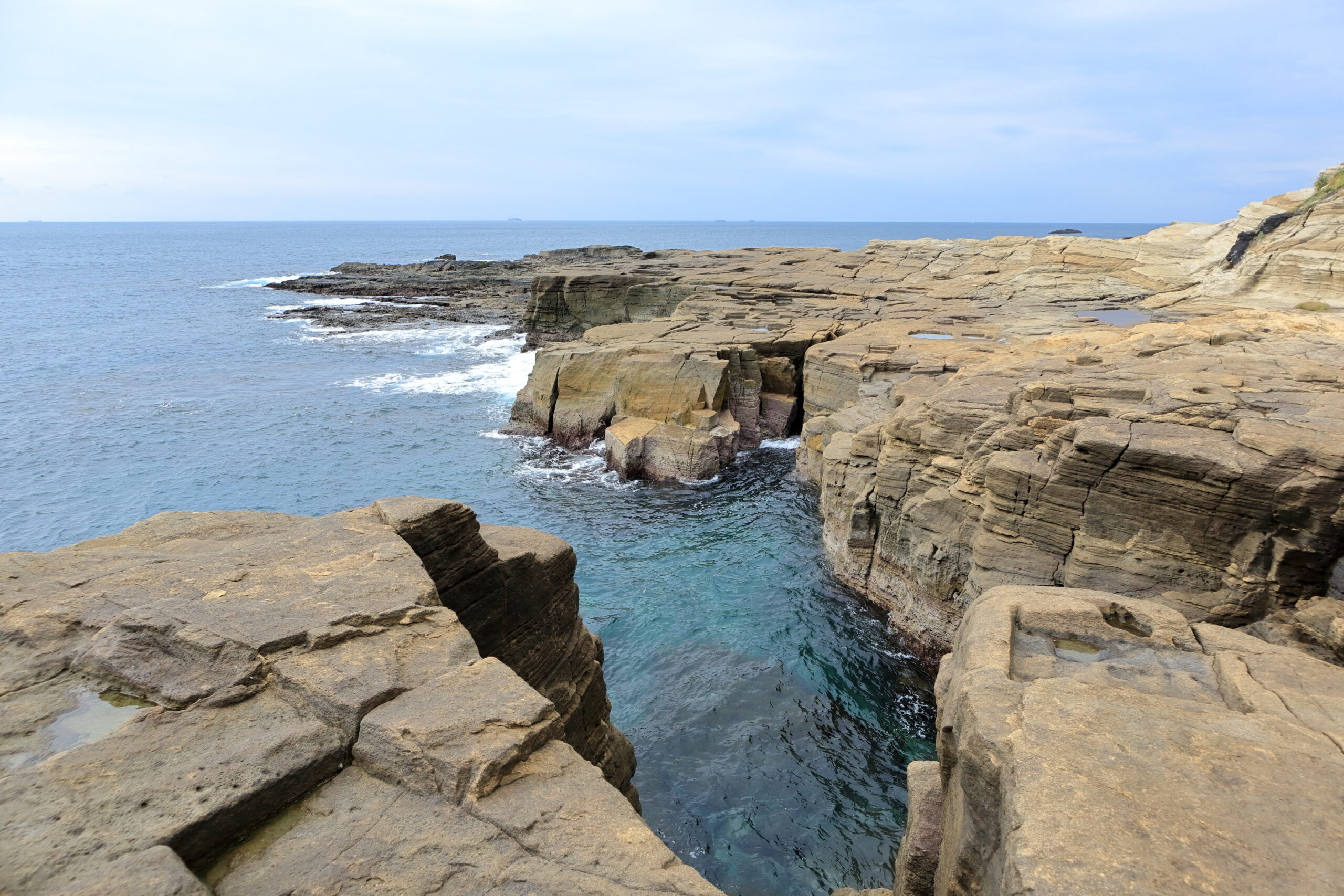
This region is proud of its history as a stone supplier to Tokyo Construction. Senjojiki in Minamiizu Town is particularly renowned as a cultural heritage site of the quarrying industry, and is also highly regarded geologically as a geosite in the Izu Peninsula Geopark. Enjoy thrilling rock exploration and magnificent natural scenery. The region also offers geo-guided tours of cave-like quarries.
Temples where you can feel the connection between Japan and the West
06
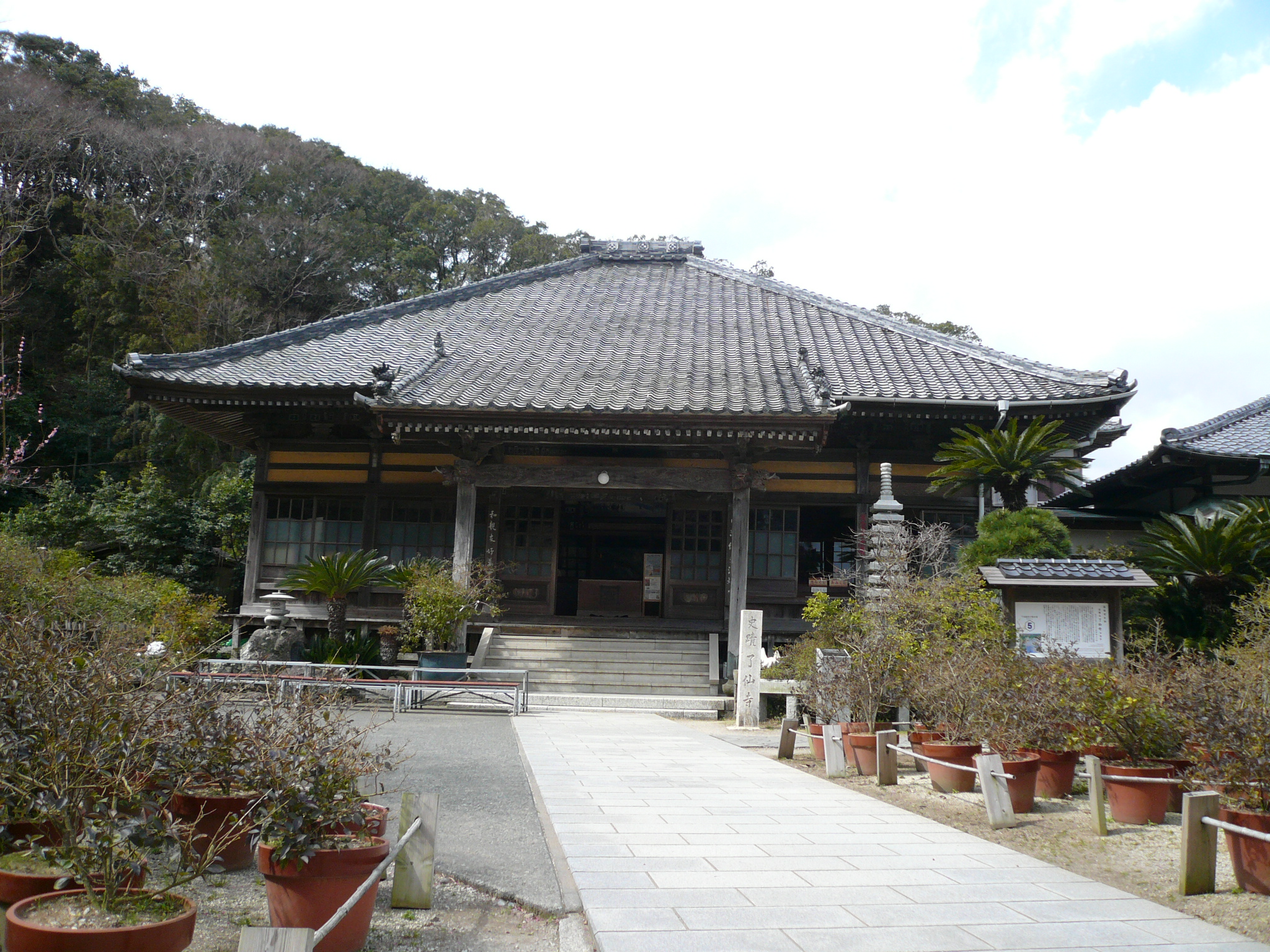
The temples in the Izu Shimoda Onsen region still retain many of the legacies of their time accepting foreigners. When foreigners were gathered at this port, it was the temples that welcomed diplomats from various countries. For example, Ryosenji Temple has also established the MoBS Black Ship Museum, which exhibits materials from that time. Each temple in this region exhibits and introduces its own unique stories and treasures.
Archaeology & Evidence
Recent excavations and material studies inform this project.
Historical Research
Built on verified records and academic scholarship.
Field-Based Perspective
Places and routes you can still visit today.