
Shizuoka City
The first Shogun’s secondary city and the final site of the Shogunate.
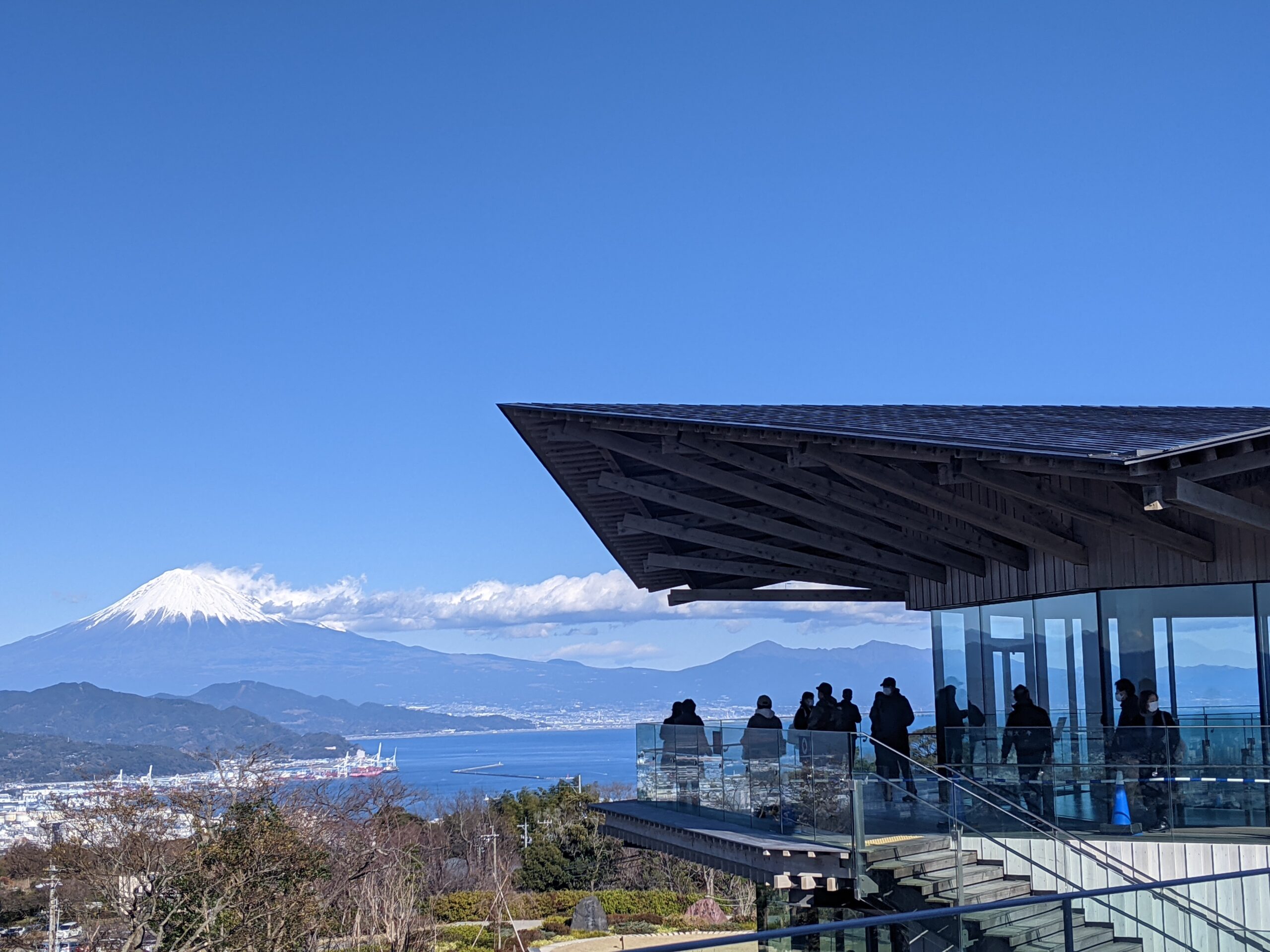
Shogun’s City with a view of Mt. Fuji
01
After years of warfare and governance elsewhere, Ieyasu chose Sunpu as his base as Ōgosho, the retired shogun. From here, he trained successors, managed national affairs, and refined the political systems that sustained the Tokugawa shogunate.
For a crucial period, Shizuoka functioned as a de facto secondary capital—a place where power was not displayed, but exercised.
To understand how Edo was governed, one must understand Sunpu.
Sunpu Castle, where the Shogun was last
02
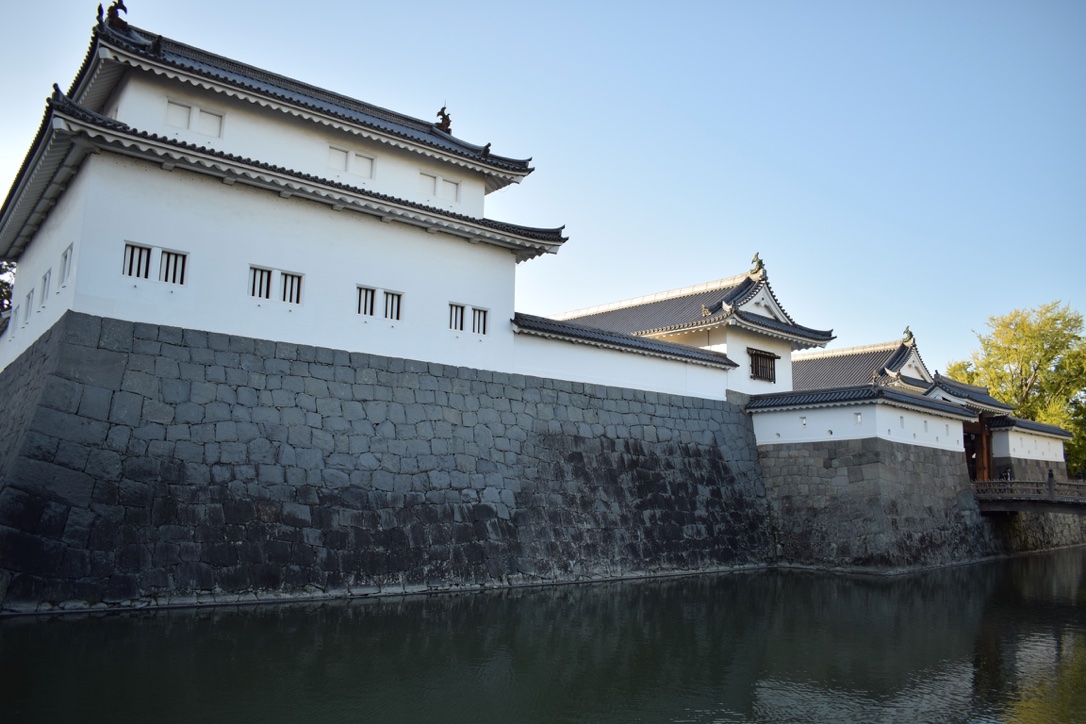
Sunpu Castle was built by the first Shogun, Ieyasu. Located close to Shizuoka Station on the Tokaido Shinkansen line, the castle ruins are now a park for the public, although the castle tower no longer exists. A museum has been set up to learn about the history of the Shogun, and visitors can view the exhibition facilities inside the turret and experience Japanese culture in the teahouse. Nowadays, you can enjoy a meal at “Fugetsuro”, the residence of the last Shogun, located near Sunpu Castle.
The tomb of the first shogun, Ieyasu
03
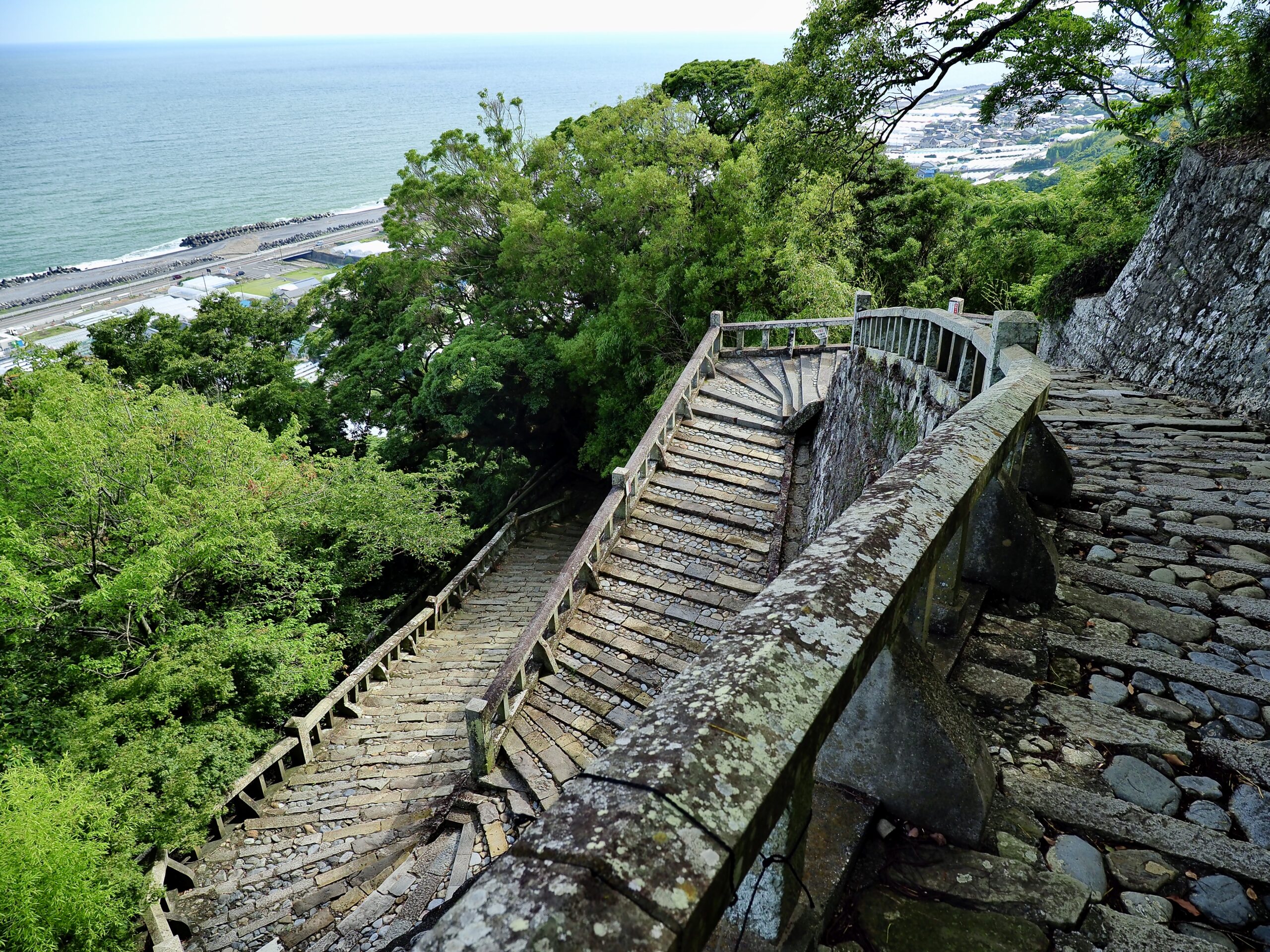
Sunpu (Shizuoka City) is home to the tomb of the first Shogun: Kunozan Toshogu Shrine. Before the completion of Edo, the first Shogun, Ieyasu, left a will requesting that he be buried on this cliff, famous for offering the most beautiful view of Mount Fuji in Japan. In accordance with this, a majestic mausoleum was constructed atop 1,159 stone steps. Those confident of their stamina can climb the steps to pay their respects after enjoying strawberry picking at the foot of the mountain, but today it can also be accessed by ropeway from the Fuji Terrace Observatory.
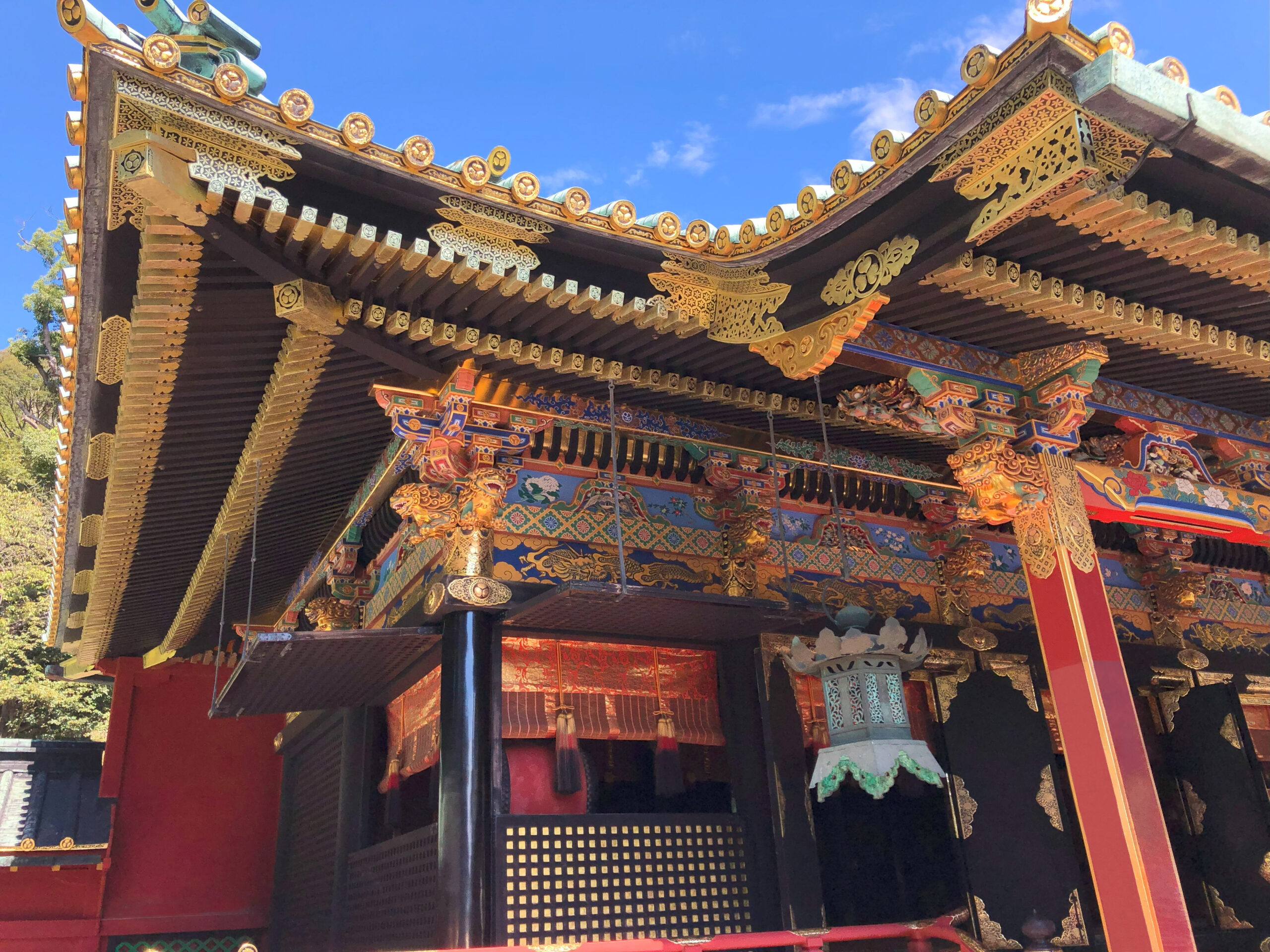
Toshogu Shrine, dedicated to the first shogun, Ieyasu
04
The tomb of the first shogun, Ieyasu, also functions as a shrine where the shogun’s wishes for the future are conveyed. The treasure hall displays items such as the first shogun’s favorite sword and armor, as well as a gold watch sent by the King of Spain. The shrine building is decorated with beautiful carvings, which recreate scenes from moral tales that were dear to the shogun. A tour around the majestic shrine building on a cliff and enjoying views of Mt. Fuji on a ropeway is a special experience that can only be found here (Apart from this, Nikko Toshogu Shrine in Tochigi Prefecture is also famous as the tomb of the first shogun, Ieyasu.).
Shizuoka Sengen Shrine, the center of Mt. Fuji worship
05
“Sengen” means Mt. Fuji. The third Shogun established a base for worship of Mount Fuji in Shizuoka City. From the 1600s to the present, Mt. Fuji has become famous among the common people, and the number of people climbing Mt. Fuji has increased, largely due to the Shogunate’s efforts to spread worship of Mount Fuji. Many craftsmen from all over the country gathered in the town of Sunpu to build this shrine. This is the origin of Shizuoka City’s traditional crafts and also the foundation for Shizuoka City’s current status as the world capital of plastic models.
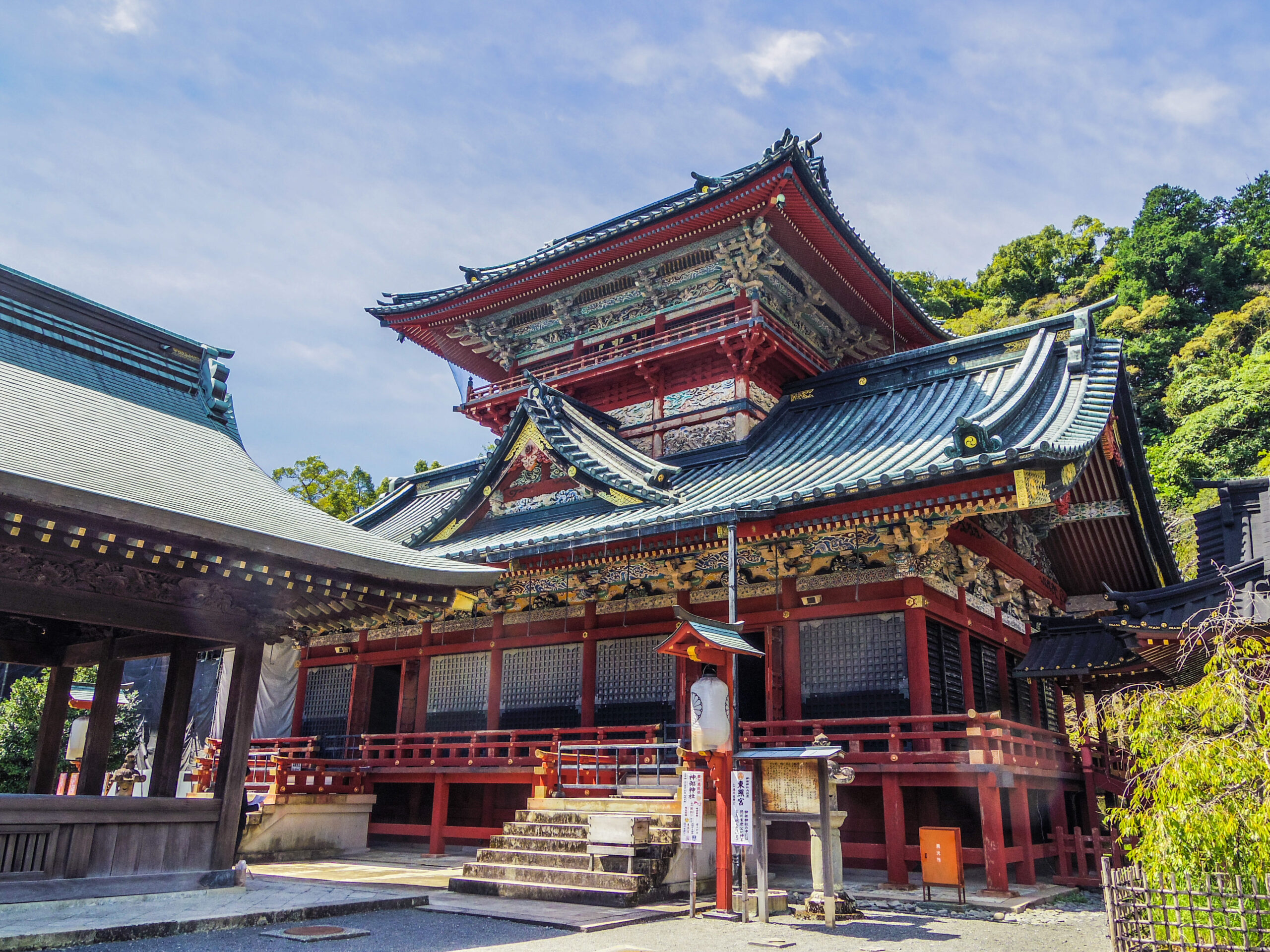
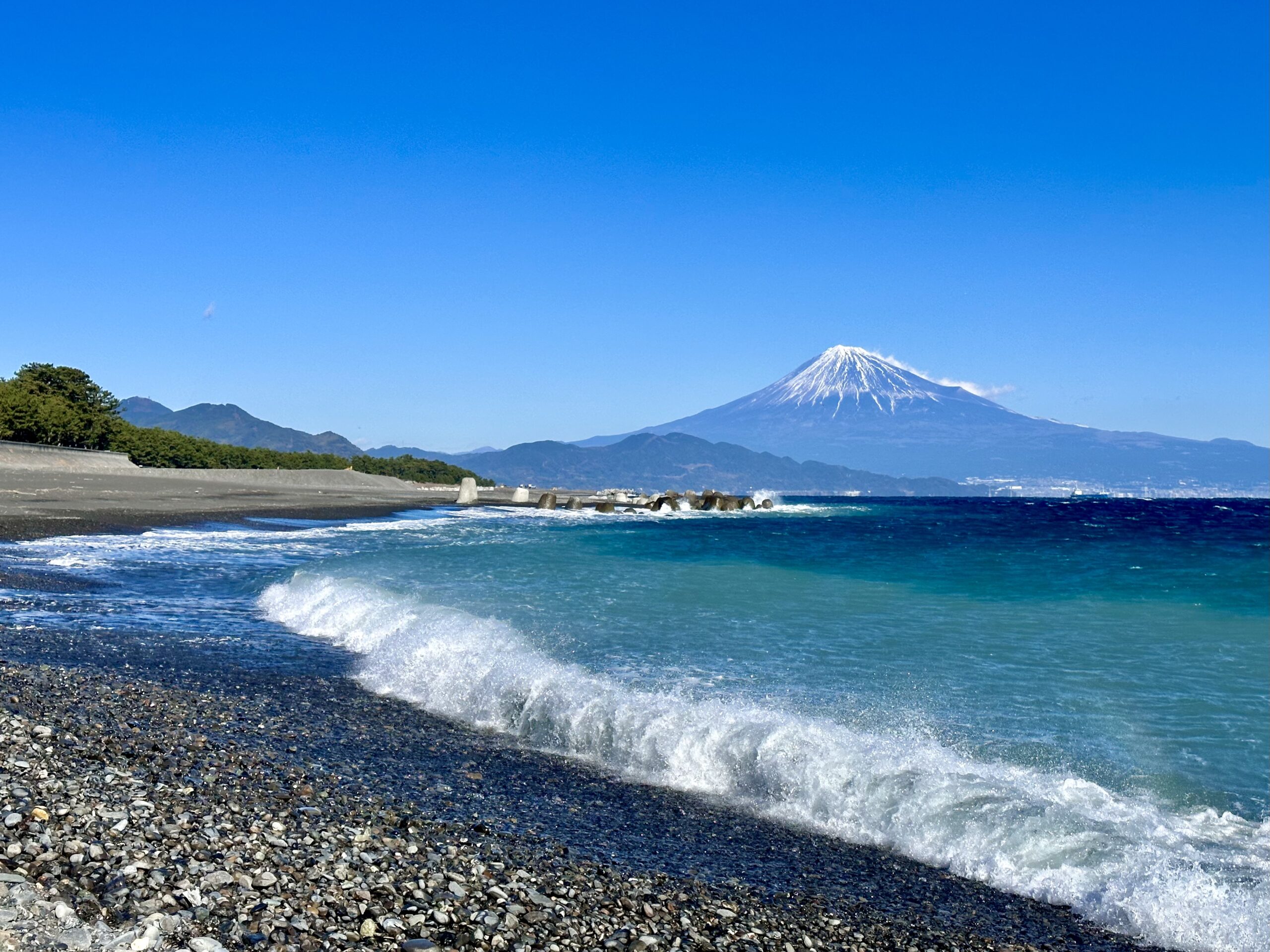
A scenic spot for the World Heritage Site Mt. Fuji.
06
At the foot of the grave of the first Shogun is a port town from the Shogun era. This port town became a base for exporting Samurai Green Tea, developed by samurai, to America after the last Shogun entered Sunpu. The port town is home to “Miho no Matsubara”, a World Heritage Site, and near Shimizu Station you can enjoy seafood while learning about the port’s history. Ferries to the hot spring resorts of the Resource Peninsula depart from this port.
Archaeology & Evidence
Recent excavations and material studies inform this project.
Historical Research
Built on verified records and academic scholarship.
Field-Based Perspective
Places and routes you can still visit today.